Who We Are
We are an independent, student-led, volunteer-driven nonprofit organization (IRS 501(c)(3) application in progress), founded by students and trainees at the Medical College of Wisconsin (MCW). Our volunteers include medical students, graduate students, pharmacology trainees, postdoctoral fellows, and medical residents, united by a shared commitment to science and medical communication. We empower patients with clear, accessible information about clinical trials and medical research. Clinical Connections is not formally affiliated with MCW.
Our Mission
Our mission is to make clinical trials understandable. We provide free plain-language summaries and help with trial searching so patients and caregivers feel informed, less overwhelmed, and ready for confident conversations with their doctors. We help physicians save time with objective trial summaries, and we help principal investigators develop patient-friendly summary materials that support understanding, engagement, and retention. We are equally committed to giving our volunteer team meaningful, translational research experience at the intersection of patients, science, and medicine.
“I cannot thank you enough for taking the time to guide us in this moment. Your kindness and willingness to share this valuable information means a lot to us. Having a starting point and knowing where to focus our efforts gives us a sense of hope as we search for the best possible options for my husband. Once again, thank you from the bottom of my heart. Wishing you all the best.”
- Anonymous Patient
In Memory of Brenda
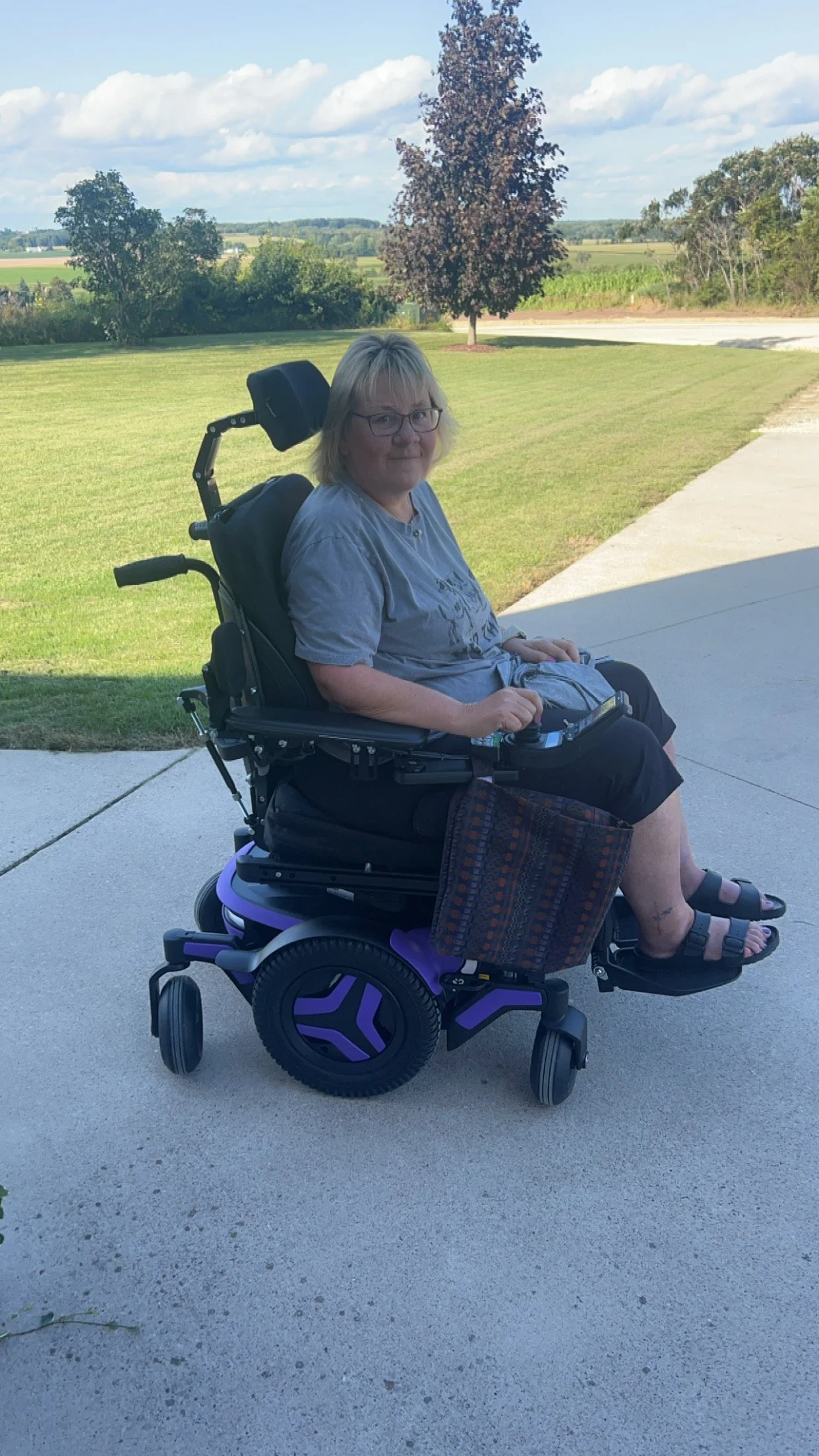
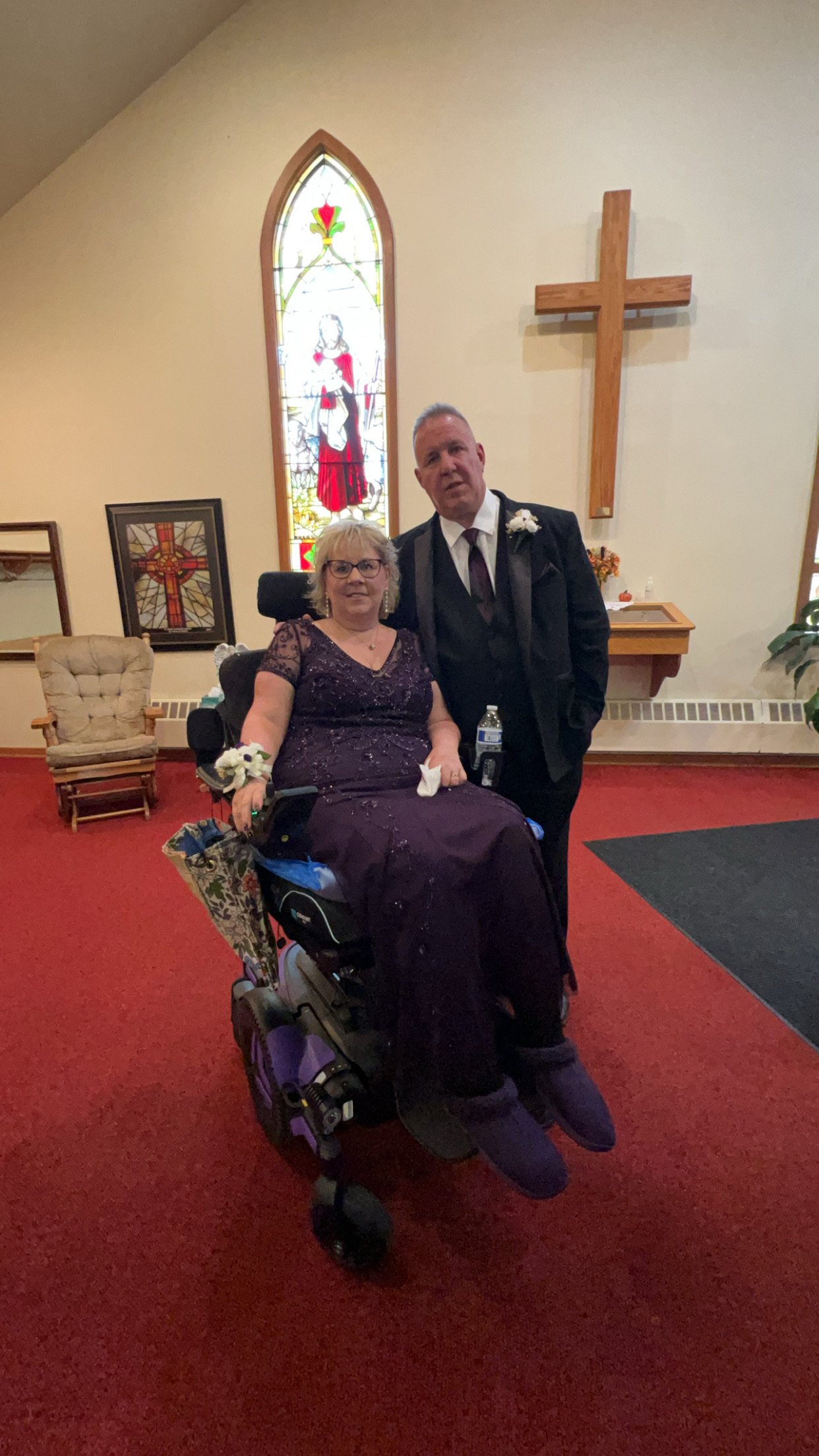
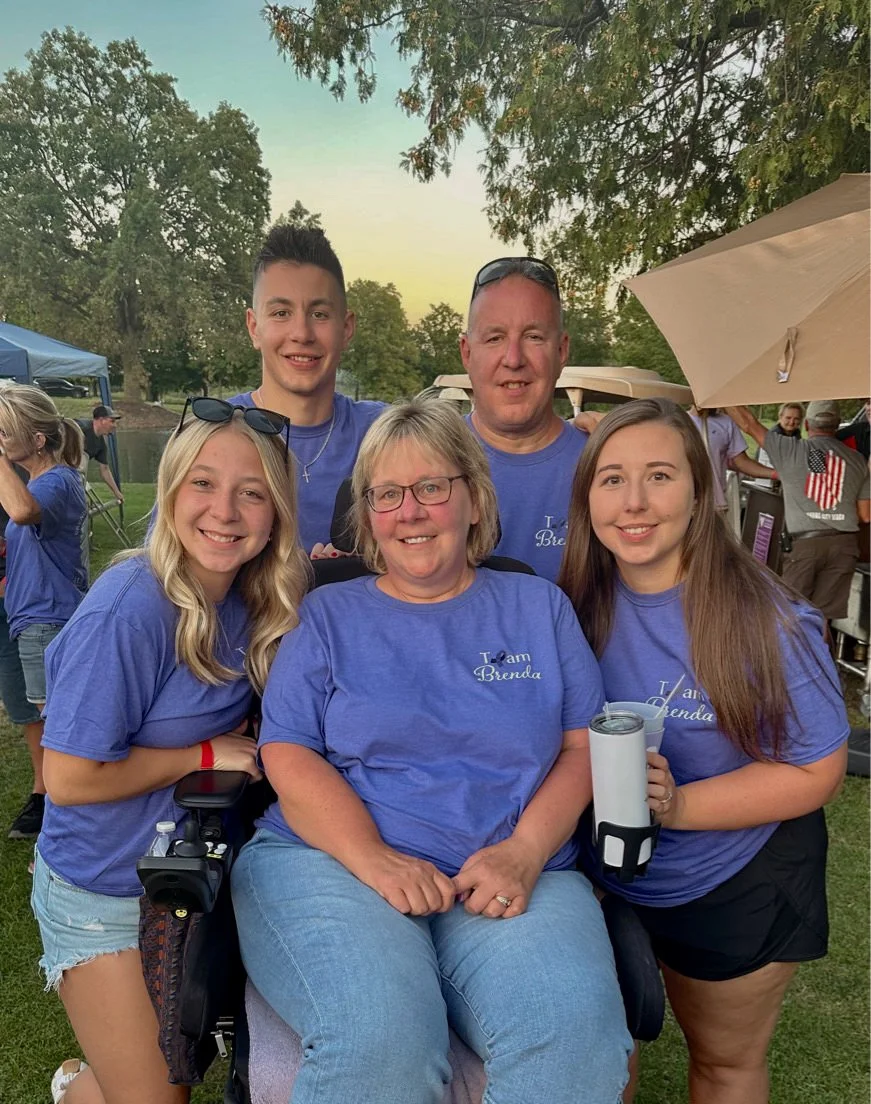
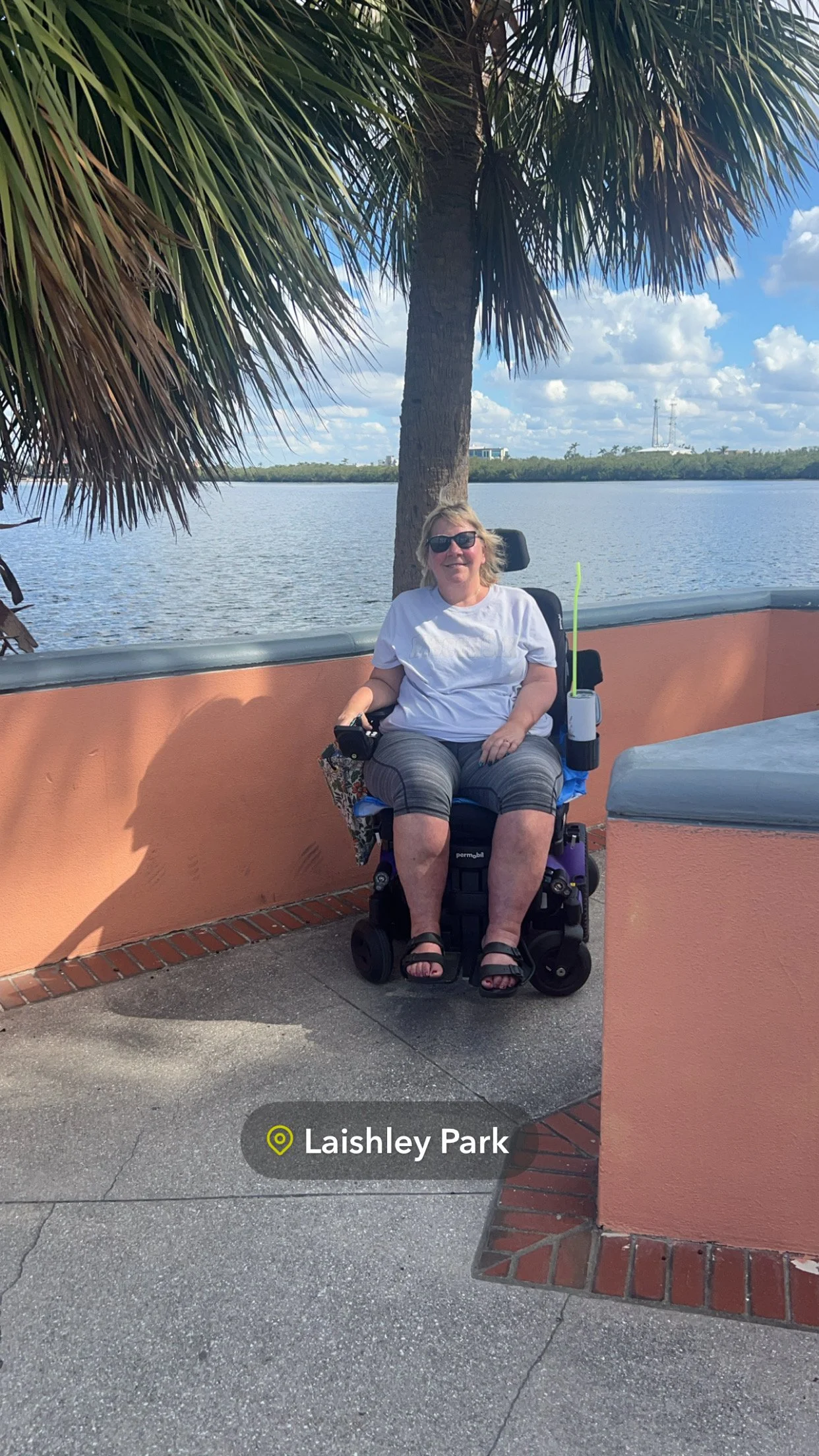
Brenda Krenke’s Story: A Story of Strength, Loss, and Love
In the fall of 2023, I was diagnosed with ALS.
It began quietly, almost unnoticeably, with weakness in my left leg and a subtle foot drop. But slowly, the signs became undeniable. I was falling more often and started relying on a cane for longer walks. Then, in December of that year, a fall resulted in an open fracture in my ankle. It required surgery and months of physical and occupational therapy at home. During those weeks of healing—when I couldn't bear weight on my leg—I noticed something else: my left arm was growing weaker.
ALS wasn’t going to wait.
As I slowly began walking again, now using a platform walker, I continued working as a triage nurse. My work was mostly on the phone and computer, but even that became too much. By April 2024, I made the heartbreaking decision to retire. It wasn’t just a job—it was a part of who I was.
Over the summer and into the fall of 2024, I lost all use of my left arm, and my right arm began weakening as well. By early 2025, I could no longer get out of bed on my own. That’s when my circle of friends and family stepped in. We created a calendar to ensure someone was always there to help me start my day. I didn’t have to ask, or wonder, or worry—it was covered. That kind of love and support is something I’ll never forget.
During this time, I felt my core weakening too. I began to struggle with coughing and even pushing for a bowel movement. The body I had relied on was slipping away from me, piece by piece.
But in August 2024, I got my electric wheelchair. It may sound small, but for me, it was freedom. I could move through my home again without relying on someone every second. I had a little piece of independence back. That same year, despite everything, I traveled to Florida with six of my dearest friends and caregivers, along with my brother. That trip reminded me that even with ALS, moments of joy were still possible.
By January 2025, I could no longer feed myself or perform any personal care. I needed help with everything. In April, I had a catheter placed. My voice began to weaken too—softer, harder to project. Even talking or lying down started to bring on shortness of breath. I began palliative care and, by June, transitioned into hospice.
Receiving a terminal diagnosis like ALS is devastating. When I was first diagnosed, my family and I immediately searched for clinical trials—something, anything, that could slow this disease. We were desperate for hope. But finding a trial was overwhelming. The information was confusing, trials were far away, and it was difficult to know what I qualified for. I sent out so many emails, hoping one would lead to something promising. But I wasn’t selected for any of them—and truthfully, I wasn’t even sure if I’d applied to the right ones. Eventually, I stopped chasing uncertain options and focused instead on living each day meaningfully.
This journey has taken an immense toll—physically, emotionally, and spiritually. ALS is a cruel disease. It doesn’t just steal your strength; it steals your ability to connect with the world in the most basic ways. I can’t scratch an itch. I can’t feed myself. I can’t hug the people I love—my husband, my children.
I’ve experienced waves of frustration, anger, hopelessness, sadness—and at times, I’ve felt like a burden. But I’ve also experienced something else: deep, enduring love. From my caregivers. My family. My friends. Those who’ve stood by me when everything else fell away.
This is my story, and I share it not to seek pity, but to offer understanding. ALS is more than a diagnosis. It’s a journey of loss, of strength, of surrender, and of holding on tightly to the moments that matter most.
If you are reading this and know someone facing ALS, or if you're on this journey yourself, know that you're not alone. We grieve what we lose, but we can also cherish what remains. And sometimes, that is enough to keep going—one breath, one day, one shared smile at a time.